INTELLIGENCE PROTOCOL 09

BEST DIET
PLANS.

Building muscle isn’t just about lifting weights; diet plays a crucial role in your muscle gain journey. From high-protein recipes to budget-friendly mass strategies, this is the total guide to hypertrophy nutrition.

Muscle Gain

Building muscle isn’t just about lifting weights; diet plays a crucial role in your muscle gain journey. Whether you’re just starting out with resistance training or are a seasoned fitness enthusiast, the right nutrition is essential to maximize your gains and achieve your fitness goals. We’ll explore the best diet plans for muscle gain.

A common objective for many is to gain muscle while losing fat. This dual goal can be challenging but is absolutely attainable with the right diet plan. By focusing on the right balance of macronutrients and consuming high-quality foods, you can fuel your workouts, promote muscle growth, and enhance fat loss simultaneously.

In this blog post, we’ll explore the best diet plans for muscle gain, tailored to fit various needs and preferences. Whether you’re a beginner looking for a simple starting point, a vegetarian seeking plant-based protein sources, or someone aiming to achieve muscle growth without supplements, we’ve got you covered. We’ll also dive into specific plans for men and women, ensuring you find the right fit for your body and goals.

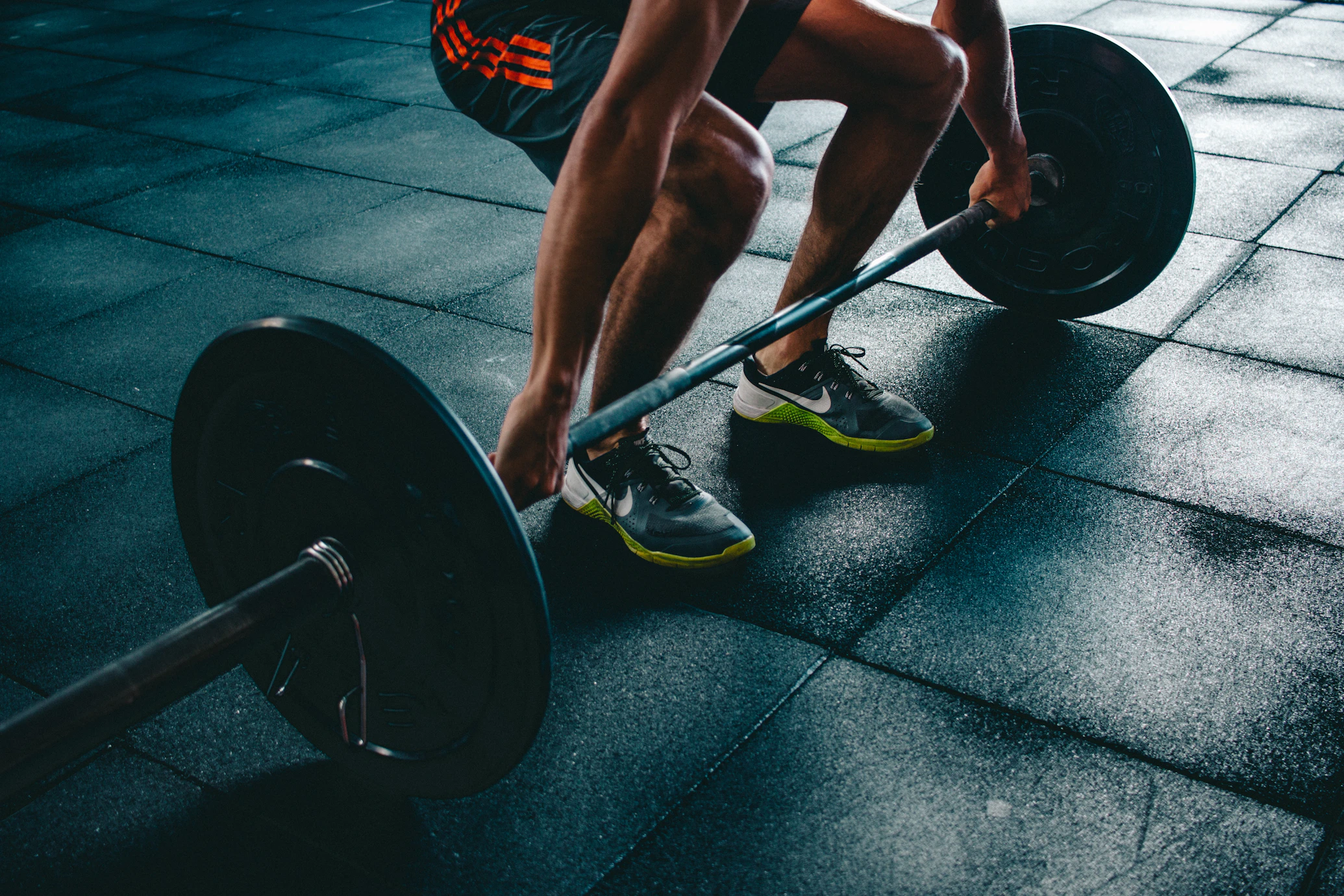
THE BIOLOGY

UNDERSTANDING
HYPERTROPHY.

Achieving muscle gain and fat loss simultaneously is a common goal for many fitness enthusiasts. While it may seem challenging, it is entirely possible with the right diet and exercise regimen. Understanding the underlying processes of muscle gain and fat loss is the first step toward reaching your fitness goals.

The Process

When you engage in resistance training or weightlifting, your muscles undergo tiny tears. These tears need to be repaired, which is where muscle growth, also known as hypertrophy, happens. Your body needs protein to repair and build these muscles, leading to increased muscle mass.

On the other hand, fat loss occurs when your body burns more calories than it consumes. This caloric deficit forces the body to use stored fat for energy. However, if you're not careful, you might lose muscle along with fat, which is why a balanced diet is crucial.

Biology

THE BUILDING BLOCK

ROLE OF PROTEIN IN
GROWTH.

Protein is the cornerstone of muscle growth. It provides the essential amino acids your body needs to repair and build muscle tissues after intense workouts. When you lift weights or engage in resistance training, your muscle fibers experience tiny tears. Consuming enough protein ensures these fibers are repaired and grow back stronger, leading to muscle gain.

Recommended Daily Intake

To maximize muscle growth, it’s crucial to consume the right amount of protein. The recommended daily protein intake for muscle building typically ranges from 1.6 to 2.2 grams of protein per kilogram of body weight. For example, if you weigh 70 kg, you should aim for approximately 112 to 154 grams of protein daily. Consuming protein throughout the day, especially after workouts, helps maintain a steady supply of amino acids for muscle repair.

PROTOCOL: CASEIN PROTEIN SHAKE

1 scoop of casein protein powder mixed with water or milk. Best consumed before bed for slow-release amino acids during sleep.

Snack Complement: A handful of almonds, walnuts, and sunflower seeds for healthy fats and satiety.

PROTEIN-PACKED OMELETTE RECIPE

Ingredients: 3 egg whites, 1 whole egg, 1 cup spinach, ½ cup mushrooms sliced, ¼ cup shredded cheese.

Instructions:

  1. Whisk the egg whites and whole egg in a bowl.
  2. Heat a non-stick skillet over medium heat and add the eggs.
  3. Add the spinach and mushrooms to the eggs.
  4. Cook until the eggs are set, then sprinkle the cheese on top.
  5. Fold the omelette in half and serve hot.

LEVEL 01

DIET PLAN FOR
BEGINNERS.

Starting your muscle-building journey can be both exciting and challenging. As a beginner, it’s essential to understand the basic principles for muscle gain. These principles include eating the right foods, maintaining a caloric surplus, and ensuring you get enough rest.

Importance of Macronutrients

Understanding the role of macronutrients—proteins, fats, and carbohydrates—is vital for muscle growth. Let’s explore each:

THE INVENTORY

BEST FOODS FOR
STRENGTH.

To build muscle and gain strength, your body needs the right fuel. Here’s a list of nutrient-dense foods that are essential for muscle growth and strength:

Lean Meats

Chicken breast and lean beef are packed with high-quality protein and iron, essential for oxygen transport.

Fatty Fish

Salmon and tuna provide protein and omega-3s, which help reduce inflammation and support recovery.

Whole Eggs

Eggs contain all nine essential amino acids and healthy fats, making them a complete muscle-building tool.

Dairy Base

Greek yogurt and cottage cheese are rich in casein protein, providing a slow release of nutrients.

Legumes

Lentils and chickpeas are vital plant-based protein sources, high in fiber for optimal digestion.

Nuts & Seeds

Almonds, walnuts, and chia seeds provide sustained energy and healthy fats to fuel long training sessions.

Whole Grains

Oats and brown rice provide complex carbohydrates for steady energy levels and glycogen replenishment.

Berries

Blueberries and strawberries are rich in antioxidants that fight oxidative stress from heavy lifting.

Leafy Greens

Spinach and kale provide nitrates and iron that improve blood flow and muscle efficiency.

Training

THE STRATEGY

GAINING MASS
EFFECTIVELY.

Gaining muscle mass effectively requires a combination of the right foods, a caloric surplus, and consistency. Here’s how you can achieve this:

PLANT-BASED PROTOCOL

PLAN FOR
VEGETARIANS.

Building muscle as a vegetarian is absolutely possible with the right protein sources and meal planning. Let's look at some effective plant-based options:

LENTIL CURRY RECIPE

Ingredients: 1 cup lentils, 1 can coconut milk, 2 cups spinach, 1 tablespoon curry powder, 1 teaspoon turmeric.

Instructions:

  1. Cook the lentils according to package instructions.
  2. In a large pot, combine the cooked lentils, coconut milk, spinach, curry powder, and turmeric.
  3. Simmer for 15-20 minutes until the flavors meld.
  4. Serve over brown rice or quinoa.

FOR MEN

RESOURCES FOR
MEN.

Men typically require more calories and protein to support muscle gain due to their higher muscle mass and hormonal profile. Let's look at specific considerations:

  • Caloric Needs: Men often need between 2,500 to 3,000+ calories per day, depending on their activity level and goals.
  • Role of Testosterone: Healthy fats from sources like avocados and nuts are important for maintaining optimal testosterone levels, which play a key role in muscle building.

FOR WOMEN

PLAN FOR
WOMEN.

Women often face different challenges in building muscle, but with the right diet, it's very achievable. Let’s explore:

  • Hormonal Considerations: Women’s hormones can fluctuate throughout their cycle, affecting muscle recovery and energy levels. It’s important to listen to your body and adjust your diet as needed.
  • Balanced Macros: Focus on getting enough protein, but don’t forget the importance of healthy fats and carbohydrates for overall health and performance.

NO SUPPLEMENTS.

You don't necessarily need supplements to gain muscle. Whole foods can provide everything your body needs. Let’s look at why focusing on whole foods is beneficial:

  • Nutrient Density: Whole foods provide a wide range of vitamins, minerals, and phytonutrients that supplements often lack.
  • Sustainability: Building a diet based on whole foods is often more sustainable and teaches you healthy habits for the long term.

AFFORDABLE BUILDING.

Building muscle doesn’t have to be expensive. Here are some tips for building muscle on a budget:

  • Buy in Bulk: Purchasing items like rice, oats, beans, and lentils in bulk can save you a significant amount over time.
  • Seasonal Produce: Buying fruits and vegetables that are in season is often cheaper and tastier.
  • Frozen and Canned: Frozen veggies and canned tuna or chickpeas are cost-effective and have a long shelf life.
Final Meal

PROTOCOL COMPLETE.

Building muscle is a journey that requires a well-structured diet tailored to your specific needs and preferences. Whether you’re a beginner, a vegetarian, or looking for an affordable plan, the right nutrition is out there for you. Stay consistent, stay dedicated, and you’ll see the results of your hard work. Start your muscle-building journey today with the right diet plan for you!

START YOUR EVOLUTION →